
Menu ☰
Dr. Gabriel E. Machovsky-Capuska
Nutritional Ecology, Marine Conservation & Wildlife Ecologist
Conservation and international development executive with 20+ years leading climate finance, applied research and field-based biodiversity programmes across five continents. Directed multi-country initiatives across the Pacific and Asia-Pacific, securing over AUD$6M in combined funding and forging partnerships with governments, boards and investors to deliver tangible results on the ground. Read more ▾ Read less ▴
This is underpinned by a globally recognised scientific career spanning two decades of peer-reviewed research on marine and terrestrial birds (among a broader range of species) across Antarctica, Australia, New Zealand and the South Pacific, with findings that have directly shaped government policy on plastics pollution, biological invasions and threatened-species protection. Experience spans diverse socio-economic and cultural contexts, from Māori-led collaborations in New Zealand, collaboration with NSW Department of Primary Industries in Australia, to Antarctic operations aligning research objectives with governmental and military frameworks, proof of an ability to navigate risk and lead culturally sensitive, stakeholder-centered initiatives. Skilled at steering multi-country and multicultural teams through strong matrix management and mentoring emerging researchers, translating complex science and evidence into measurable, lasting outcomes for people and the environment.
Featured videos
Video coverage of the fieldwork and findings behind the research.
Six themes, one nutritional lens
Every project traces back to how nutrition shapes behaviour, physiology and ecological outcomes. Tap any card to read the full topic summary and related publications.
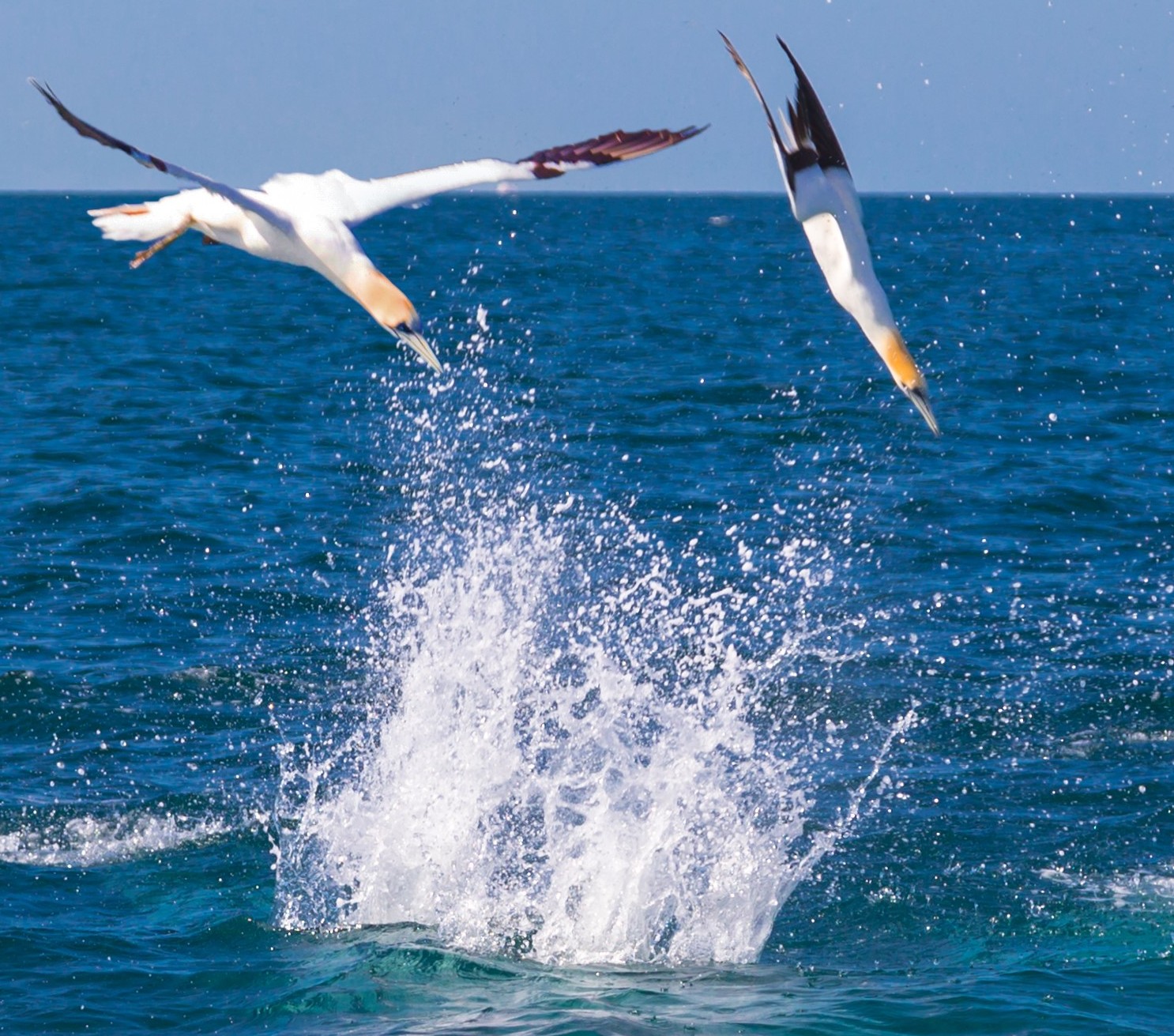
Climate Change
How shifting environmental conditions affect the nutritional value and availability of prey.
Read more ▾
Climate change and tropicalization are driving tropical species into temperate environments. An honours project used Indo-Pacific damselfish to explore temperature and macronutrient intake, with current work focused on Australasian gannets in New Zealand.
- Machovsky-Capuska et al. (2018): Journal of Animal Ecology, 87:1286-1298: niche, habitat variability and prey composition in a generalist marine predator. ★ Top 5% of all research outputs ever scored by Altmetric DOI ↗
- Rowe et al. (2018): Marine Biology: temperature and macronutrient selection in damselfish. DOI ↗
- Srinivasan et al. (2015): Journal of Sea Research: climate effects on Australasian gannets. DOI ↗
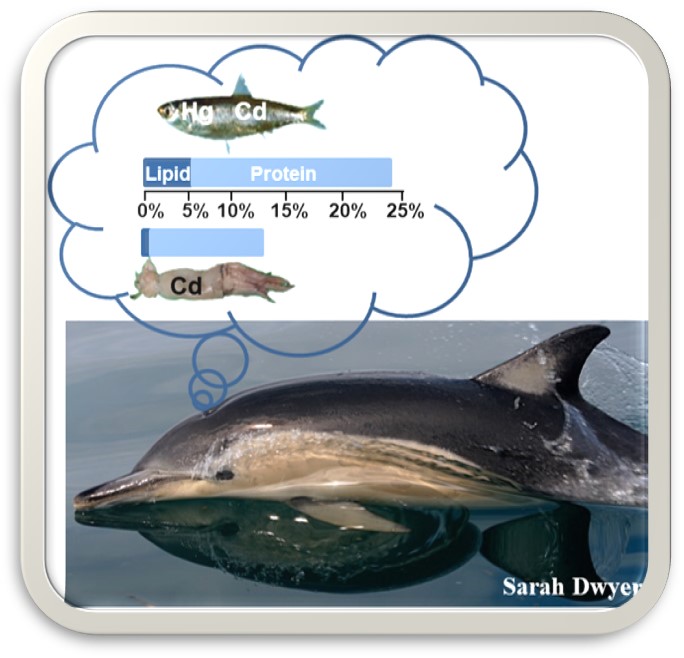
Pollution and Wildlife
Impacts of plastic ingestion and marine pollution on the nutrition and health of marine species.
Read more ▾
Using nutritional ecology to understand species’ susceptibility to plastic ingestion and heavy-metal intake, connecting nutrition, behaviour, physiology and food-web transfer dynamics. Current work covers trace-metal bioaccumulation and PFAS in marine mammals.
- Stockin et al. (2025): Science of the Total Environment: PFAS in odontocetes. ★ Top 5% Altmetric DOI ↗
- Santos, Machovsky-Capuska & Andrades (2021): Science: plastic ingestion as an evolutionary trap. ★ Top 5% Altmetric DOI ↗
- Machovsky-Capuska et al. (2019): Science of the Total Environment: a nutritional perspective on plastic ingestion. DOI ↗

Wildlife Conservation
Translating nutritional ecology research into practical conservation and management strategies.
Read more ▾
Understanding nutrient requirements and foraging patterns in endangered species to predict responses to pollution and environmental change. Work spans primates, green turtles, Franciscana dolphins and great white sharks.
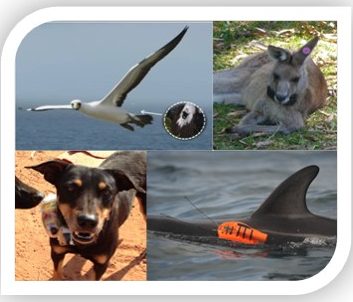
Cutting-edge techniques
Novel field and analytical methods for measuring nutrition and foraging in wild animal populations.
Read more ▾
Translating lab-based nutritional geometry into a field-based approach using free-ranging organisms. Miniaturised cameras and GPS units have been deployed on kangaroos, seabirds, dolphins, and semi-captive dogs and cattle.
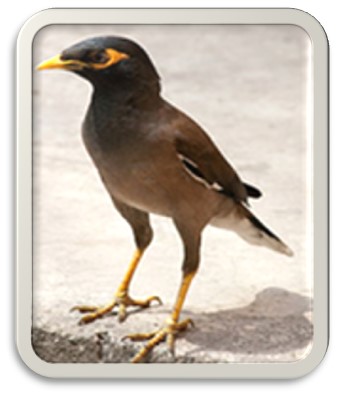
Biological Invasions
Nutritional and behavioural drivers behind the success of invasive species such as the common myna.
Read more ▾
Animal behaviour is a key component of invasion biology: adaptability, dispersal and generalism enhance invasiveness. Common mynas and wild boar serve as model systems to examine nutritional balance, protein quality and energy consumption during invasion.
Human and Wildlife Interactions
Urbanisation’s effect on wildlife foraging ecology and human–wildlife coexistence.
Read more ▾
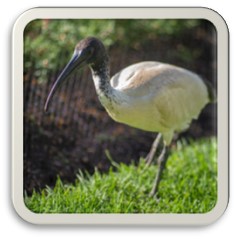
Urban settings offer artificial breeding grounds and human-generated food rich in lipids and carbohydrates. Reduced natural food such as insects can leave urban birds short on protein relative to demand, a pattern studied in common mynas and Australian white ibis.
Academic and Scientific leadership
Built on securing competitive research funding to lead projects in endangered-species conservation, human-wildlife coexistence, climate change and anthropogenic pollution, while strengthening early-career capacity and sustaining multidisciplinary collaborations.
As featured in

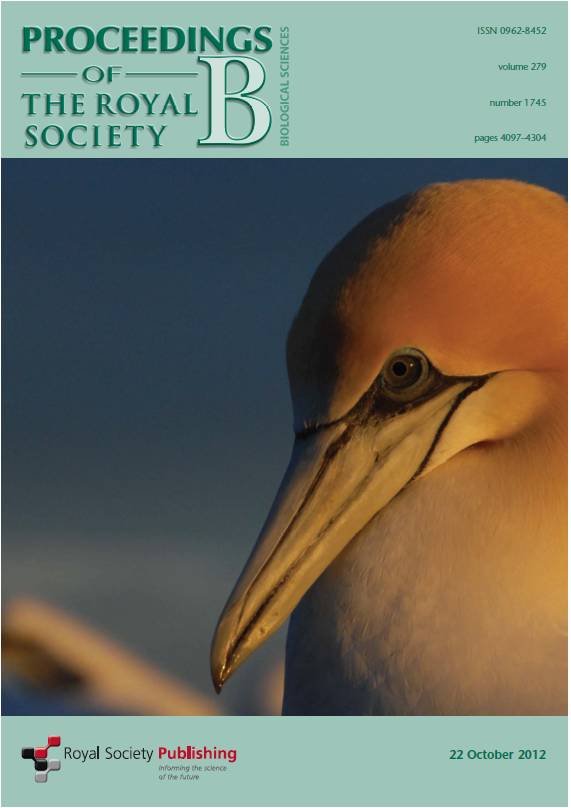
Visual accommodation and active pursuit of prey underwater in a plunge-diving bird: the Australasian gannet
Clarifying one of the most renowned optical, ecological, behavioural and evolutionary paradigms in nature, the plunge diving of Australasian gannets.
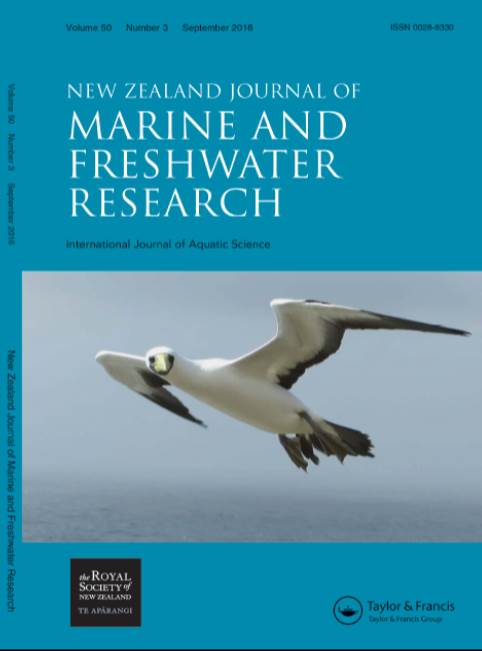
Coupling bio-logging with nutritional geometry: foraging behaviour of a plunge-diving marine predator
By revealing how a plunge-diving predator targets prey to meet its nutrient needs, the study identified key foraging flights and locations and prompted restrictions on helicopter operations during critical breeding periods.
“Plastic ingestion as an evolutionary trap: Toward a holistic understanding”
Demonstrates how plastic debris imitates prey cues and functions as an evolutionary trap, with broad consequences for wildlife survival and conservation strategies.
“Diet Composition and Nutritional Niche Breadth in Juvenile White Sharks”
Shows that growing juvenile white sharks transition to a lipid-rich, high-energy diet, with implications for species management and reducing negative human-shark interactions.
“No place to hide: Marine habitat does not determine PFAS in odontocetes”
Reveals that odontocetes are exposed to PFAS across habitats, indicating that deep-sea residence does not shield whales and dolphins from pervasive chemical contamination.
“The nutritional nexus: linking niche, habitat variability and prey composition in a generalist marine predator”
Links climate change-driven shifts in fish and squid quality to changes in Australasian gannets’ foraging patterns and reproductive success.
View all publications
2025 (2)
No place to hide: Marine habitat does not determine PFAS in odontocetes
Stockin KA, Peters KJ, Saltré F, Machovsky-Capuska GE, Betty EL, Tremblay LA, Yi S. Science of the Total Environment, 1007, 180701
Nutritional Ecology of Lactation in Franciscana Dolphins (Pontoporia blainvillei) From Argentina
Denuncio P, Macagno MC, Padula AD, Mandiola MA, Loureiro JP, Diz MJO, Zapata MF, Rodriguez DH, Machovsky-Capuska GE. Marine Mammal Science
2024 (1)
Milk compositions and fatty acid profiles in two coastal odontocete species from the SW Atlantic
Denuncio P, Padula AD, Mandiola MA, Giardino GV, Rodriguez DH, Machovsky-Capuska GE. New Zealand Journal of Marine and Freshwater Research, 58: 300-308
2023 (3)
Multidimensional nutritional and trace metal niche space differs between sexually immature and mature common dolphins
Stockin KA, Machovsky-Capuska GE, Palmer EI, Amiot C. Environmental Pollution, 333
Refining seabird marine protected areas by predicting habitat inside foraging range
Miller M, Hemson G, Machovsky-Capuska GE, et al.. Authorea Preprints
Integrating isotopic and nutritional niches reveals multiple dimensions of individual diet specialisation in a marine apex predator
Grainger RJ, Raoult V, Peddemors VM, Machovsky-Capuska GE, Gaston TF, Raubenheimer D. Journal of Animal Ecology
2022 (4)
Understanding common dolphin and Australasian gannet feeding associations from an ethological and nutritional perspective
Stockin KA, Amiot C, Meynier L, Purvin C, Machovsky-Capuska GE. ICES Journal of Marine Science
Plastic Ingestion: Understanding Causes and Impacts
Savoca MS, Machovsky-Capuska GE, Andrades R, Santos RG. Frontiers in Marine Science, 599
How alien species use cognition to discover, handle, taste, and adopt novel foods
Griffin AS, Peneaux C, Machovsky-Capuska GE, Guez D. Current Opinion in Behavioral Sciences, 45, 101136
Integrating biologging and behavioral state modelling to identify cryptic behaviors and post-capture recovery processes
Grainger RJ, Raubenheimer D, Peddemors VM, Butcher P, Machovsky-Capuska GE. Frontiers in Marine Science
2021 (6)
FTIR analysis identifies microplastics in stranded common dolphins from New Zealand waters
Stockin KA, Pantos O, Betty EL, Pawley MDM, Doake F, Masterton H, Palmer EI, Perrott MR, Nelms SE, Machovsky-Capuska GE. Marine Pollution Bulletin, 113084
PFAS, trace elements and life history parameters of mass-stranded common dolphins in New Zealand
Stockin KA, Yi S, Northcott GL, Betty EL, Machovsky-Capuska GE, Law RJ, Tremblay LA. Marine Pollution Bulletin, 173:112896
Diet Composition and Nutritional Strategies in Two Sympatric Pinnipeds
Denuncio P, Gana JCM, Giardino GV, Rodriguez DH, Machovsky-Capuska GE. Journal of Experimental Marine Biology and Ecology
Detrimental effects of urbanization on the diet, health, and signal coloration of an ecologically successful alien bird
Peneaux C, Grainger R, Lermite F, Machovsky-Capuska GE, Gaston TF, Griffin AS. Science of the Total Environment
Plastic ingestion as an evolutionary trap: Toward a holistic understanding
Santos RG, Machovsky-Capuska GE, Andrades R. Science, 373:56-60
Eat yourself sexy: how selective macronutrient intake influences the expression of a visual signal in common mynas
Peneaux C, Machovsky-Capuska GE, Endler JA, Griffin AS. Journal of Experimental Biology
2020 (7)
Exploring plastic-induced satiety in foraging green turtles
Santos RG, Andrades R, Demetrio GR, Kuwai GM, Sobral MF, de Souza Vieira J, Machovsky-Capuska GE. Environmental Pollution
Diet Composition and Nutritional Niche Breadth Variability in Juvenile White Sharks (Carcharodon carcharias)
Grainger R, Peddemors VM, Raubenheimer D, Machovsky-Capuska GE. Frontiers in Marine Science
Linking cadmium and mercury accumulation to nutritional intake in common dolphins from Patagonia, Argentina
Machovsky-Capuska GE, von Haeften G, Romero MA, Rodríguez DH, Gerpe MS. Environmental Pollution
Debris ingestion and nutritional niches in estuarine and reef green turtles
Machovsky-Capuska GE, Andrades R, Santos RG. Marine Pollution Bulletin, 153:110943
Nutritional Ecology of Vertebrate Marine Predators
Machovsky-Capuska GE, Raubenheimer D. Annual Review of Marine Science, 12:361-387
Editorial: Biologging Special Feature
Börger L, Bijleveld A, Fayet AL, Machovsky-Capuska GE, Patrick SC, Street GM, Vander Wal E. Journal of Animal Ecology, 89:6-15
Development of light-weight video-tracking technology for use in wildlife research: kangaroos
Herbert CA, Dassis M, Pye M, Jones P, Leong PHW, Thomas G, Cope H, Jarman A, Hobbs R, Murray PE, Machovsky-Capuska GE. Australian Zoologist
2019 (3)
A biologging perspective to the drivers that shape gregariousness in dolphins
Pearson H, Jones PW, Taelor PB, Stockin AK, Machovsky-Capuska GE. Behavioural Ecology and Sociobiology, 73:155
A large-scale automated radio telemetry network for monitoring movements of terrestrial wildlife in Australia
Griffin AS, Brown C, Woodworth BK, Machovsky-Capuska GE, Rasmussen T, McDonald PG, Roderick M, Slade C, Mackenzie SA, Taylor PD. Australian Zoologist
A nutritional perspective on plastic ingestion in wildlife
Machovsky-Capuska GE, Amiot C, Denuncio P, Grainger R, Raubenheimer D. Science of the Total Environment, 656:789-796
2018 (3)
The role of temperature and macronutrient selection on metabolic and swimming performance of the Indo-Pacific Damselfish
Rowe C, Figueira W, Raubenheimer D, Solon-Biet SM, Machovsky-Capuska GE. Marine Biology, 165:178
The nutritional nexus: linking niche, habitat variability and prey composition in a generalist marine predator
Machovsky-Capuska GE, Miller MGR, Silva FRO, Amiot C, Stockin KA, Senior AM, Schuckard R, Melville D, Raubenheimer D. Journal of Animal Ecology, 87:1286-1298
Multidimensional nutritional ecology and urban birds
Coogan SCP, Raubenheimer D, Zantis S, Machovsky-Capuska GE. Ecosphere, 9
2017 (7)
The secret life of dolphins
Pearson H, Machovsky-Capuska GE. Australasian Science, 38:32-35
Sexual segregation in tropical seabirds: drivers of sex-specific foraging in the Brown Booby
Miller MGR, Silva FRO, Machovsky-Capuska GE, Congdon BC. Journal of Ornithology, 1-13
Tasting novel foods and selecting nutrient content in a highly successful ecological invader, the common myna
Peneaux C, Machovsky-Capuska GE, Raubenheimer D, Lermite F, Rousseau C, Rodger J, Griffin AS. Journal of Avian Biology, 48:001-009
Population variance in prey, diets and their macronutrient composition in an endangered marine predator, the Franciscana dolphin
Denuncio P, Paso Viola MN, Machovsky-Capuska GE, Raubenheimer D, Gerpe MS, Rodriguez D. Journal of Sea Research, 129:70-79
Macronutrient selection of free-ranging urban Australian white ibis
Coogan SCP, Machovsky-Capuska GE, Martin J, Senior AM, Major RE, Raubenheimer D. Behavioural Ecology
A preliminary study to estimate contact rates between free-roaming domestic dogs using novel miniature cameras
Bombara C, Dürr S, Machovsky-Capuska GE, Jones P, Ward MP. PLoS One, 12:7
Testing and deployment of C-VISS on wild dolphins
Pearson H, Jones P, Srinivasan M, Lundquist D, Pearson C, Stockin AK, Machovsky-Capuska GE. Marine Biology, 164:42
2016 (8)
Macronutritional consequences of Food Generalism in an Invasive Mammal, the Wild Boar
Senior AM, Grueber CE, Machovsky-Capuska GE, Simpson SJ, Raubenheimer D. Mammalian Biology
Motive for killing: what drives prey choice in wild predators?
Machovsky-Capuska GE, Coogan SCP, Simpson SJ, Raubenheimer D. Ethology
The Multi-dimensional Nutritional Niche
Machovsky-Capuska GE, Senior AM, Simpson SJ, Raubenheimer D. Trends in Ecology and Evolution
Sex-specific macronutrient foraging strategies in a successful marine predator: the Australasian gannet
Machovsky-Capuska GE, Senior AM, Benn E, Tait AH, Schuckard R, Stockin KA, Cook W, Ogle M, Barna K, Melville D, Wright B, Purvin C, Raubenheimer D. Marine Biology
Coupling bio-logging with nutritional geometry: foraging behaviour of a plunge-diving marine predator
Machovsky-Capuska GE, Priddel D, Leong PHW, Jones P, Carlile N, Shannon L, Portelli D, McEwan A, Chaves A, Raubenheimer D. New Zealand Journal of Marine and Freshwater Research
Corticosterone responses to capture and restraint in Australasian gannets at Cape Kidnappers, New Zealand
Cockrem JF, Candy EJ, Potter MA, Machovsky-Capuska GE. Emu, 116: 86-90
Discrepancy between the composition of some commercial cat foods and their package labelling
Gosper EC, Raubenheimer D, Machovsky-Capuska GE, Chaves AV. Australian Veterinary Journal, 94: 12-17
Dietary protein selection in a free-ranging urban population of common myna birds
Machovsky-Capuska GE, Senior A, Zantis S, Barna K, Cowieson A, Pandya S, Pavard C, Shiels M, Raubenheimer D. Behavioral Ecology, 27:219-227
2015 (3)
Using non-systematic surveys to investigate regional climate change effects on Australasian gannets in the Hauraki Gulf
Srinivasan M, Dassis M, Benn E, Stockin KA, Martinez E, Machovsky-Capuska GE. Journal of Sea Research, 99:74-82
Geometry of Nutrition in Field Studies: An Illustration Using Wild Primates
Raubenheimer D, Machovsky-Capuska GE, Chapman CA, Rothman JM. Oecologia, 177: 223-234
The nutritional ecology of obesity: from humans to companion animals
Raubenheimer D, Machovsky-Capuska GE, Gosby AK, Simpson SJ. British Journal of Nutrition, 113: S26-S39
2014 (4)
Nutritional Geometry: from insects to ruminants
Raubenheimer D, Machovsky-Capuska GE, Felton AM, Simpson SJ. Proceedings Australia Society of Animal Production, 30:32-36
Nutritional geometry and the macronutrient variation in the diet of gannets
Tait A, Raubenheimer D, Stockin KA, Merriman M, Machovsky-Capuska GE. Marine Biology, 12: 2791-2801
The contribution of private and public information in foraging by Australasian gannets
Machovsky-Capuska GE, Hauber ME, Libby E, Amiot C, Raubenheimer D. Animal Cognition, 17:849-858
Foraging behaviour and habitat use of chick-rearing Australasian Gannets in New Zealand
Machovsky-Capuska GE, Hauber ME, Dassis M, Libby E, Wikelski MC, Schuckard R, Melville D, Cook W, Houston M, Raubenheimer D. Journal of Ornithology, 155: 379-387
2013 (1)
Can gannets define their diving profile prior to submergence?
Machovsky-Capuska GE, Vaughn-Hirshorn RL, Würsig B, Raubenheimer D. Notornis 60:255-257
2012 (3)
Visual accommodation and active pursuit of prey underwater in a plunge diving bird: the Australasian gannet
Machovsky-Capuska GE, Howland HC, Raubenheimer D, Vaughn RL, Würsig B, Hauber ME, Katzir G. Proceedings of the Royal Society B, 279:4118-4125
Diet of the Australasian gannet at Farewell Spit, New Zealand
Schuckard R, Melville D, Cook W, Machovsky-Capuska GE. Notornis 59:66-70
Ultraviolet visual sensitivity in three distinct avian lineages: paleognaths, parrots, and songbirds
Aidala Z, Huynen L, Brennan PLR, Musser J, Fidler A, Chong N, Machovsky-Capuska GE, Anderson MG, Talaba A, Lambert D, Hauber ME. Journal of Comparative Physiology A, 198:495-510
2011 (3)
Dive strategies and foraging effort in the Australasian gannet revealed by underwater videography
Machovsky-Capuska GE, Vaughn RL, Würsig B, Katzir G, Raubenheimer D. Marine Ecology Progress Series, 442:255-261
UVS is rare in seabirds
Machovsky-Capuska GE, Huynen L, Lambert D, Raubenheimer D. Vision Research Journal, 51:1333-1337
Evidence for fatal collisions and kleptoparasitism while plunge diving in Gannets
Machovsky-Capuska GE, Dwyer SL, Alley MR, Stockin KA, Raubenheimer D. Ibis, 153:631-635
2008 (2)
First observation of siblicide in Brown Skua at Harmony Point, Nelson Island, Antarctica
Machovsky-Capuska GE, Rosso P, Copello S, Casaux R. Notornis 55:43-44
Accumulation of copper, zinc, cadmium and mercury in common dolphins off Patagonia
Machovsky-Capuska GE, von Haeften G, Rodríguez D, Moreno V, Gerpe M. Proceedings SETAC, Buenos Aires, SETAC Press: 23-25
Science at the edge: tackling conservation, climate change, and pollution
A gallery of the places this research has taken the team. Tap a tile for details.
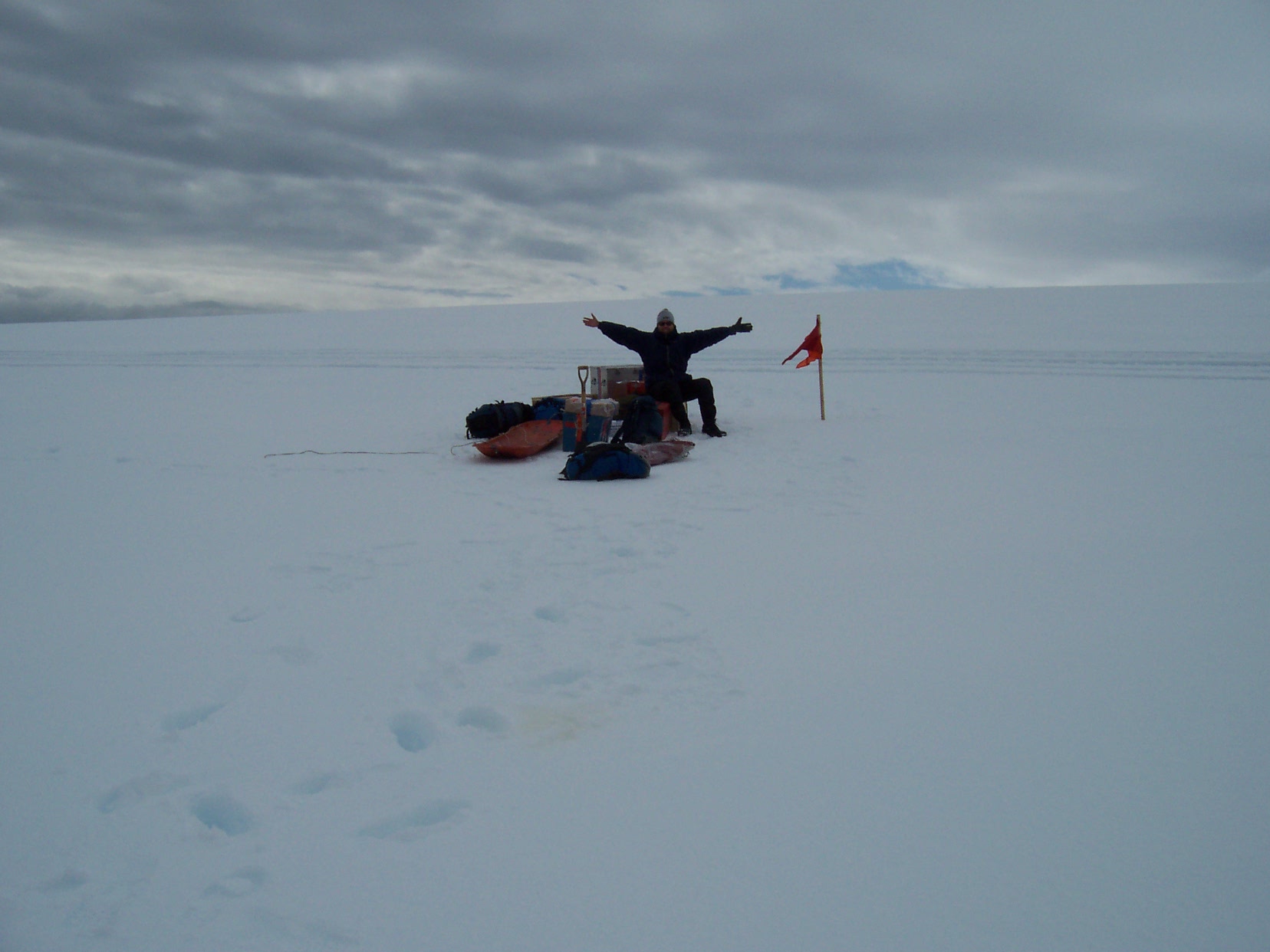
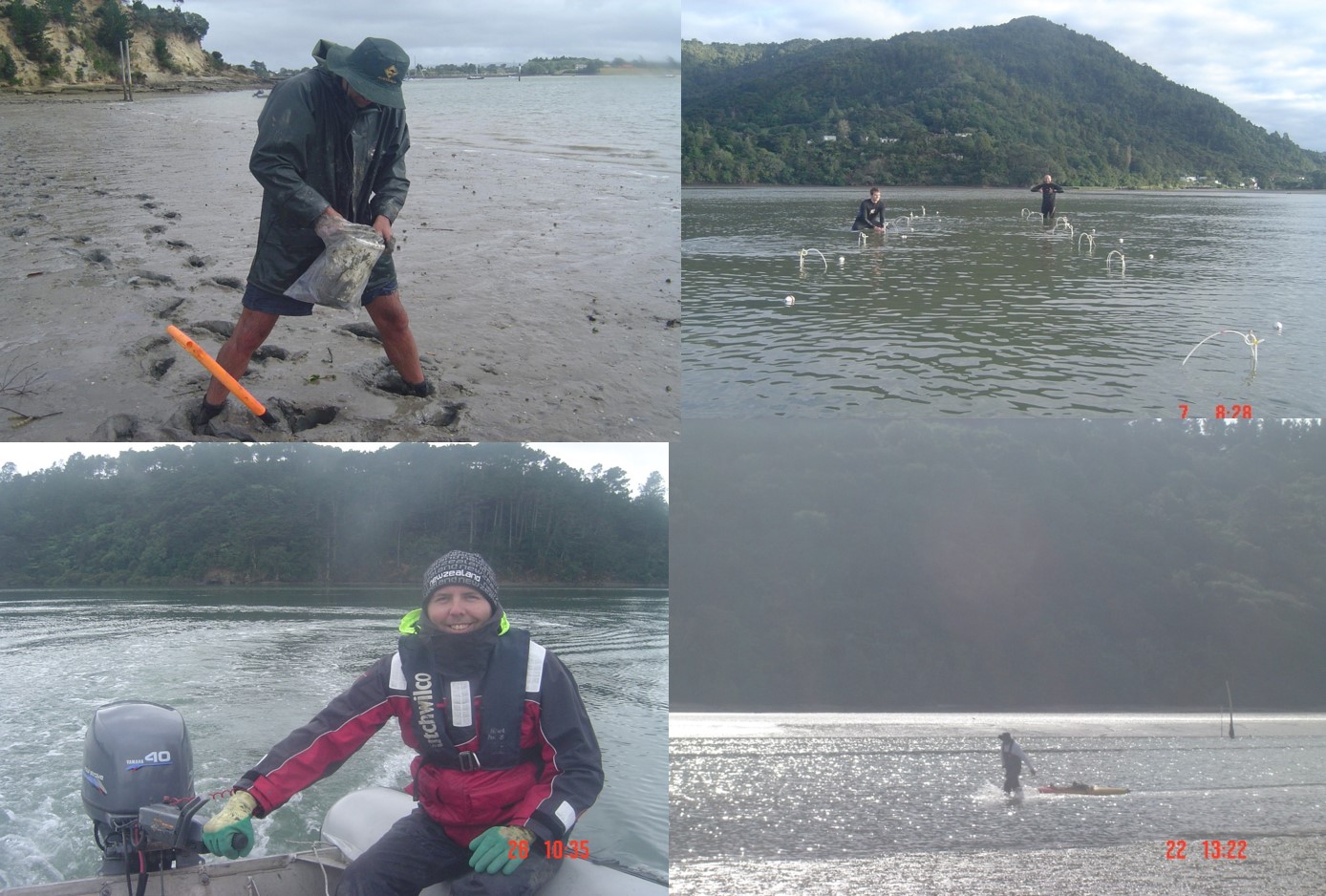
Estuaries NIWA, New Zealand, 2007
Explore the impacts of human-induced pollution in New Zealand Estuaries.
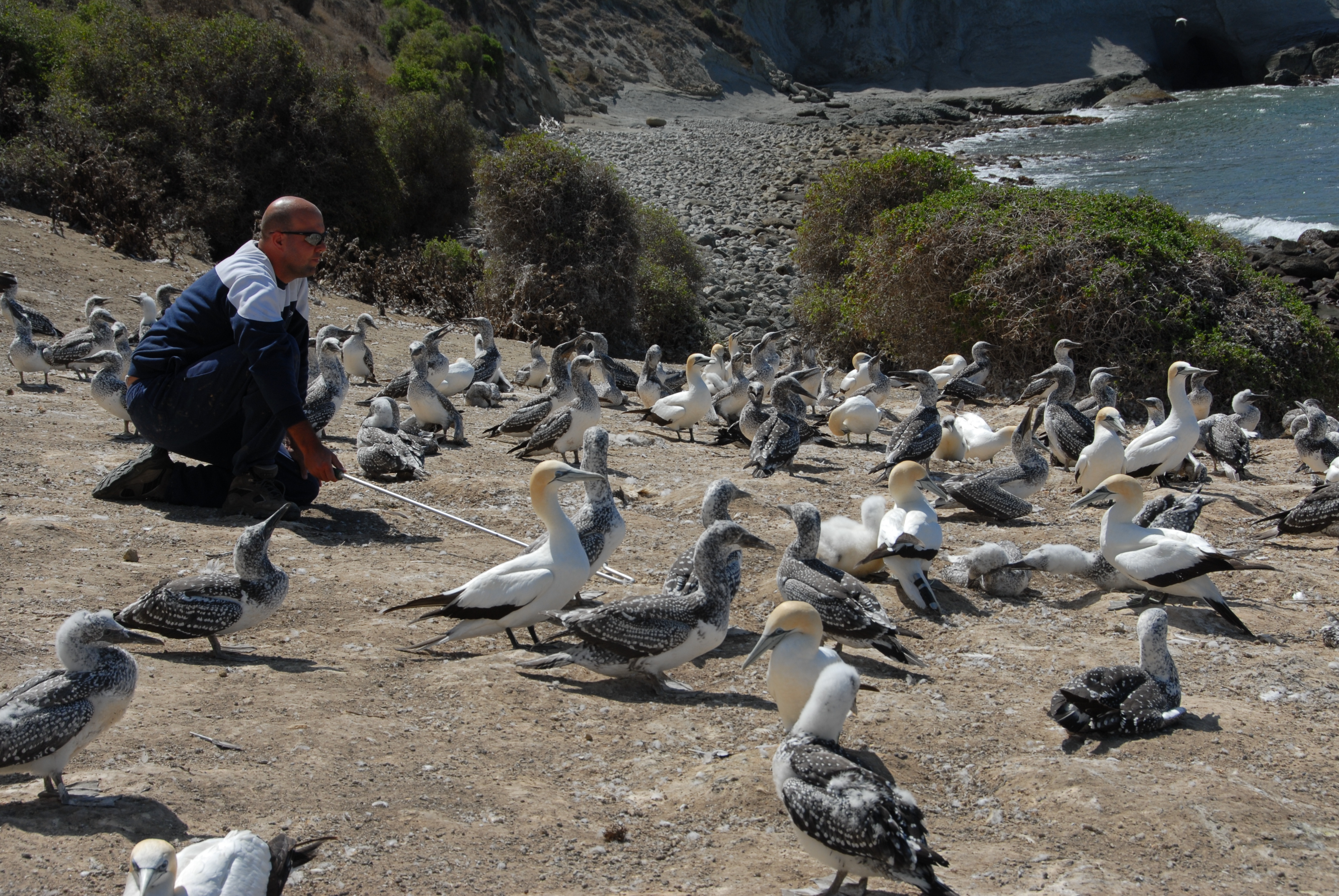
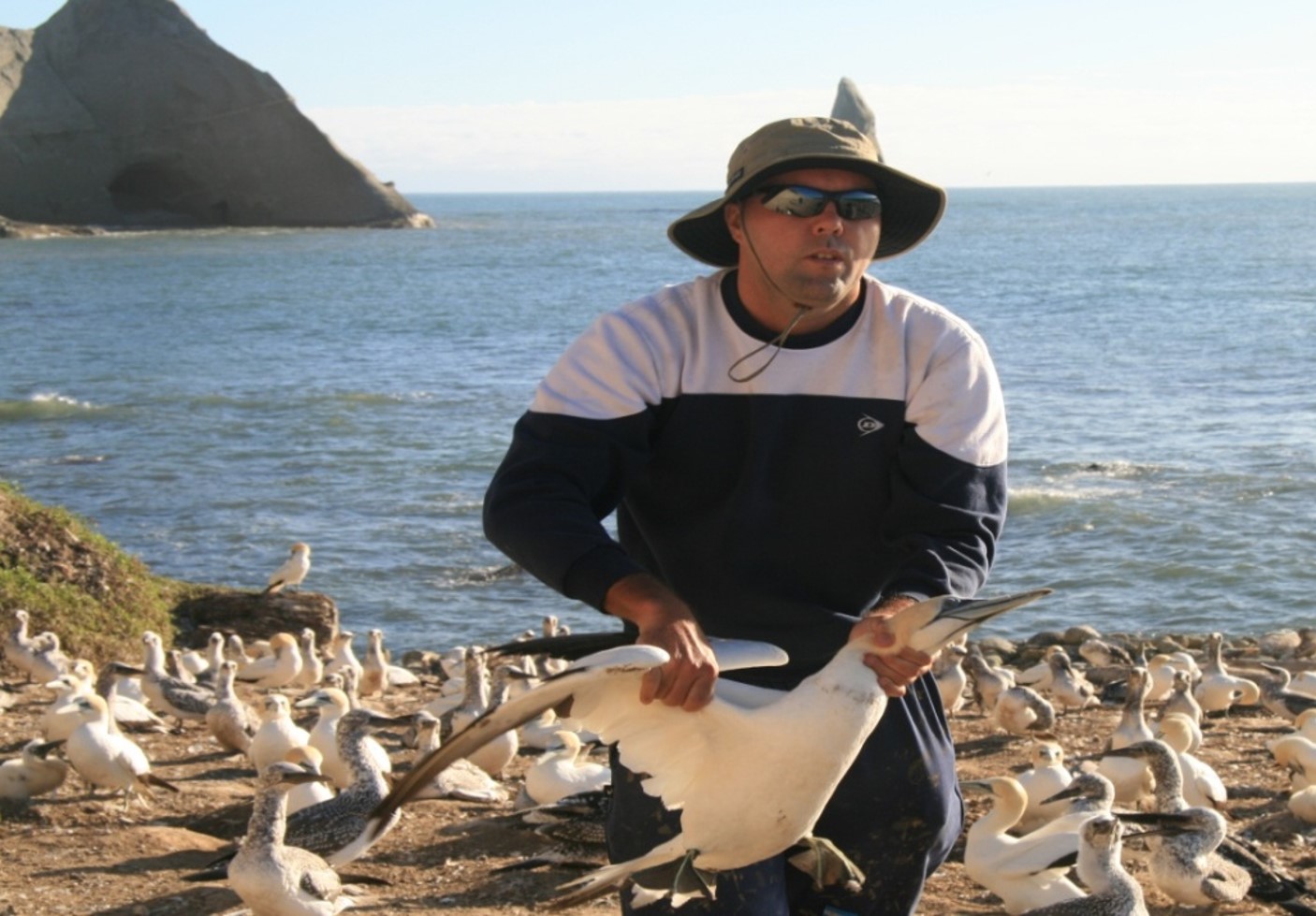
Cape Kidnappers, New Zealand, 2011
Providing evidence to clarify one of the most renowned optical, ecological, behavioural and evolutionary paradigms in nature, the plunge diving of Australasian gannets.
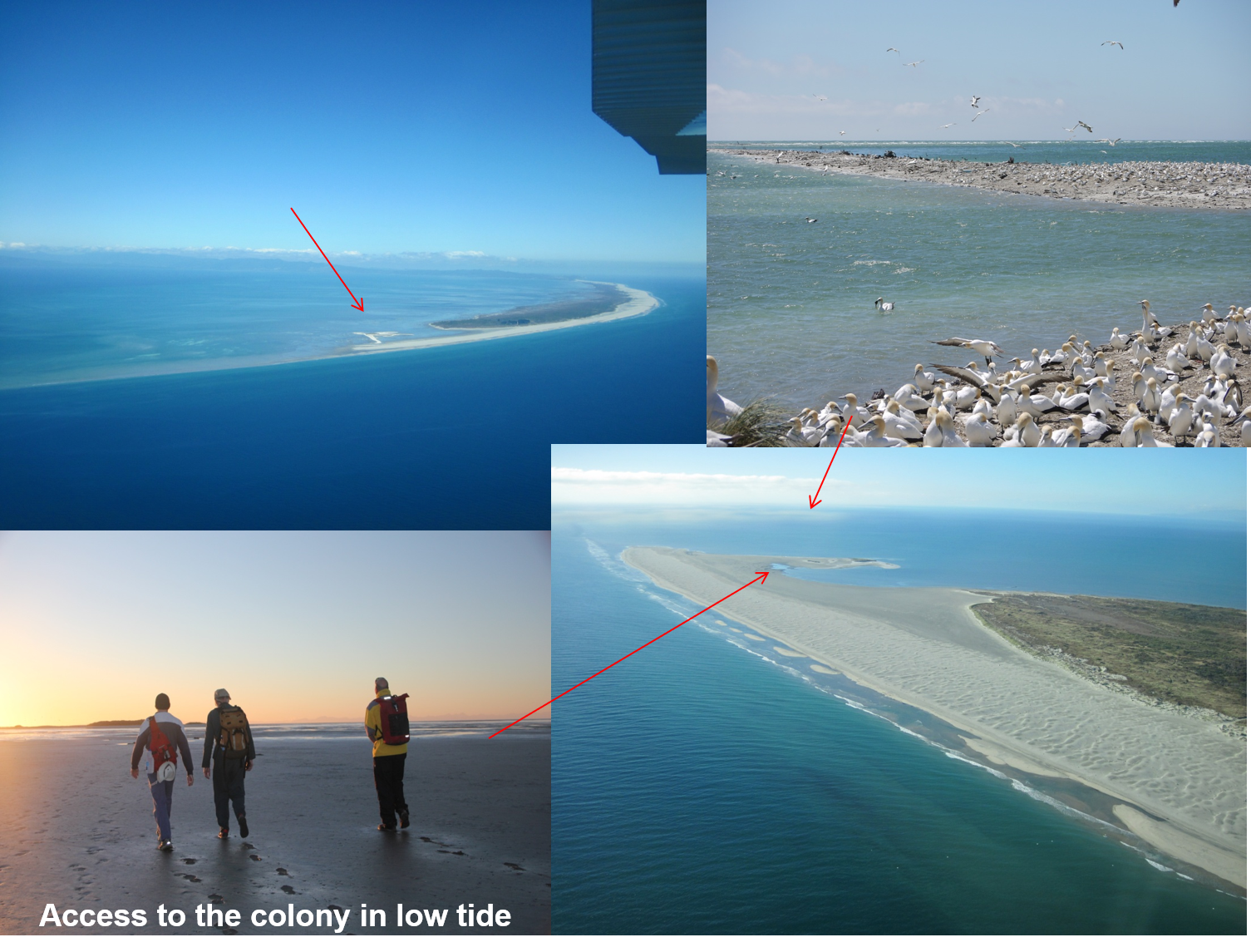
Farewell Spit, New Zealand, 2014
We worked at a Ramsar Wetland and Flyway Reserve Site, to examined how climate change influences the nutritional quality of fish and squid stocks and the foraging and breeding behaviours of Australasian gannets.
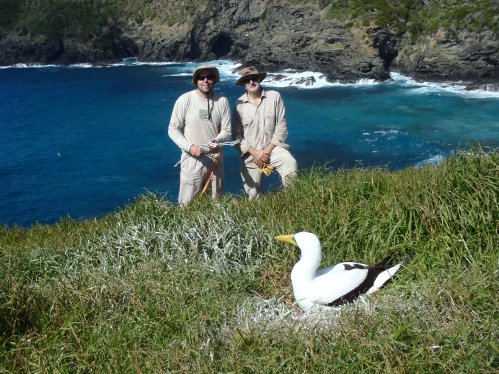
Lord Howe Island, Australia, 2016
Native ecosystem restoration research in Lord Howe Island, Australia (UNESCO World Heritage Site), where studies of masked boobies’ foraging trips and locations led to restricted helicopter flight times during key breeding periods.
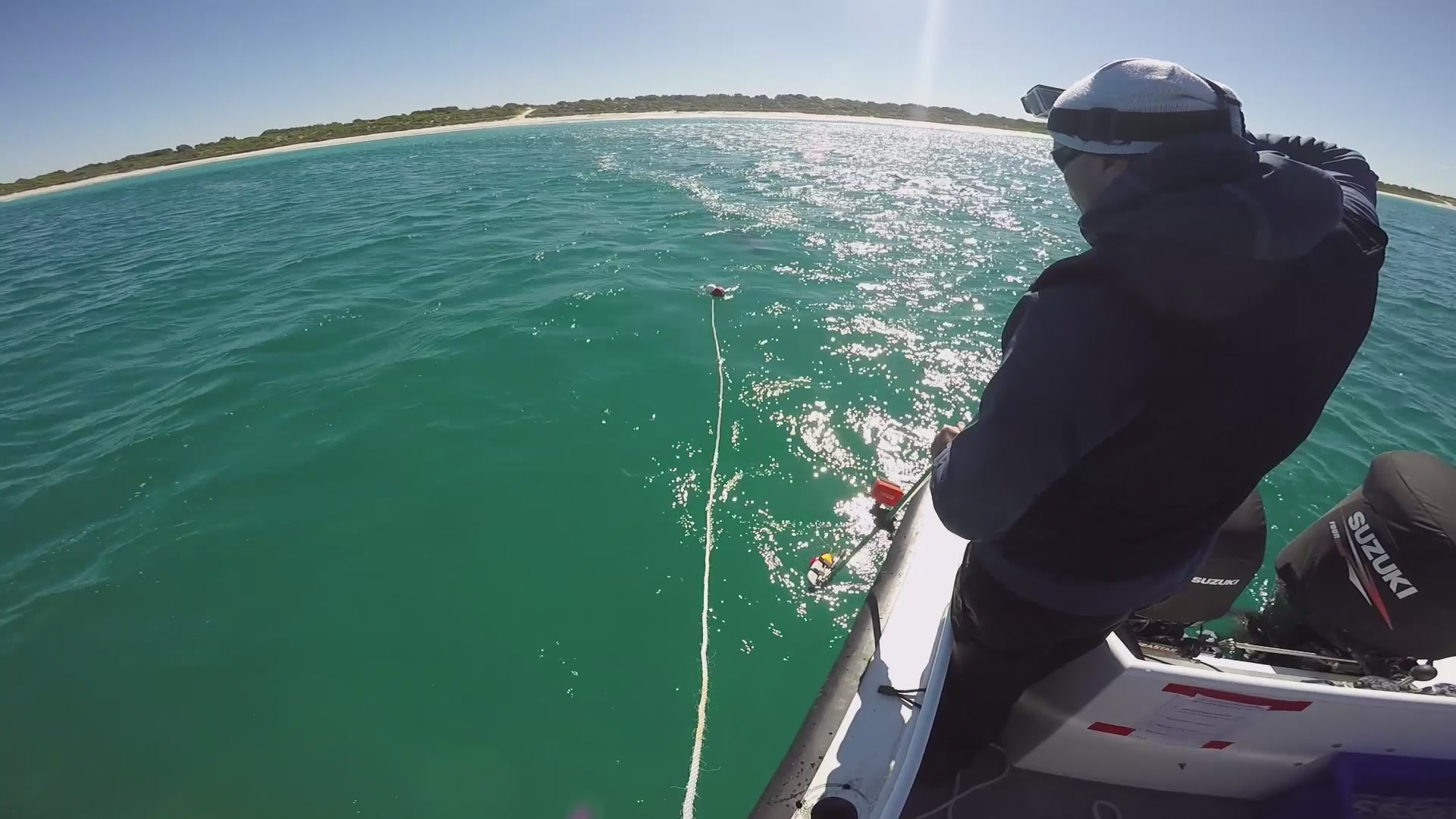

Port Stephens, Australia, 2018
Shark camera deployment to explore the nutritional ecology of Great White Sharks (Carcharodon carcharias) in collaboration with NSW DPI, Port Stephens NSW 2018.
Research in the press
Press, radio and online coverage of the research, organised by year, newest first.
All media coverage
2021 (12)
2020 (6)
2019 (2)
2018 (5)
2017 (11)
 Australian GeographicUnderwater secrets of dolphins revealedS
2016 (6)
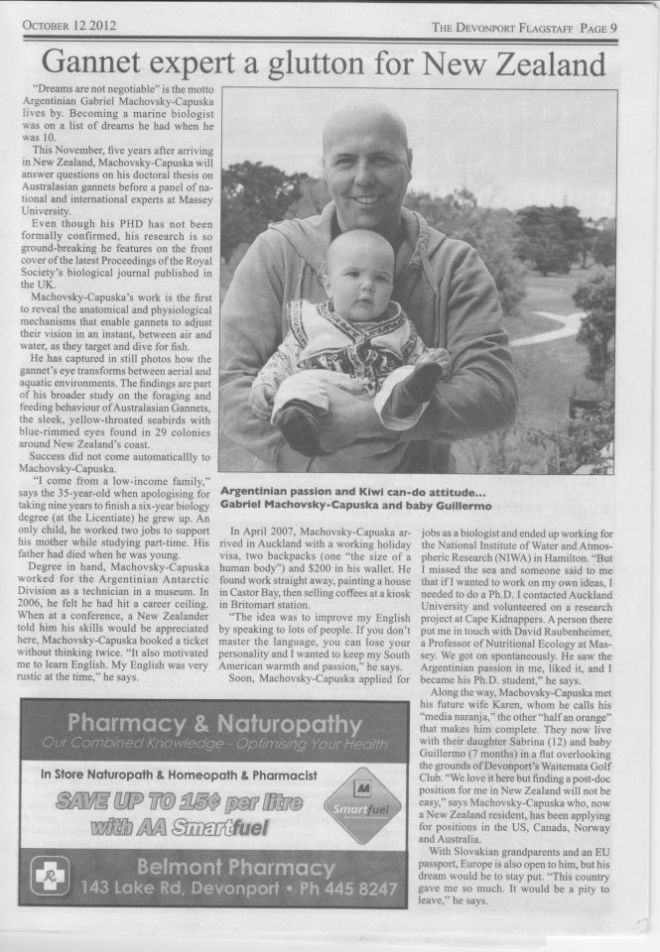
2015 (2)
2012 (7)
Australian GeographicGannets risk lives for break-neck divesMA global research network
Working across three regions with 120+ international researchers spanning marine science, ecology, environmental pollution and animal behaviour.
Click a region below to see the collaborators based there.
Oceania
Europe & Israel
The Americas & Africa
Mentorship across every level
Supervising and co-supervising research from Honours through to PhD, plus international special-project students.
PhD
Co-supervising doctoral research spanning white shark foraging ecology, invasive bird cognition and kangaroo reproductive biology.
Read more ▾
Foraging ecology of white sharks (Carcharodon carcharias) in NSW coastal waters. PhD completed 2022.
Research on common mynas, University of Newcastle.
Eastern grey kangaroo reproductive success study.
Masters
Supervising postgraduate research into marine predator foraging strategy.
Read more ▾
Marine apex predator foraging strategies.
Honours · Bachelor of Science (BSc) / Animal and Veterinary Bioscience (AVBS)
Supervising Honours and undergraduate research students.
Read more ▾
Macronutrient selection in damselfish, gannets and invasive birds; platypus foraging ecology; kakapo breeding success.
Conservation and Nutritional Ecology Projects
Hosting international special-project students.
Read more ▾
Nutrition and breeding research projects.
Let’s collaborate
For publication copies, media enquiries or research collaboration.

